
A Central PA Holiday Road-Trip Checklist for Your Ford
A little preparation before you leave can help reduce the chance of an unexpected stop and make the drive more comfortable for everyone on board.
Holidays in
Central Pennsylvania are special. Lights go up along Market Street in Camp
Hill, the West Shore fills with shoppers, and families from Mechanicsburg to
New Cumberland start packing their cars for trips to see relatives near and
far. Whether you’re heading over the river to Harrisburg for a family dinner,
driving the Pennsylvania Turnpike toward Pittsburgh or Philadelphia, or making
the long run down I-81, your Ford is about to do some serious work.
Holiday travel
season also tends to bring cold mornings, early darkness, shifting weather, and
heavier traffic. A little preparation before you leave can help reduce the
chance of an unexpected stop on the shoulder and make the drive more
comfortable for everyone on board.
This checklist
walks you through what to look at, what to have checked, and how to plan for
the conditions Central PA drivers often see this time of year.
Why
Holiday Trips Are Tougher on Your Vehicle
Most of us
drive short, familiar routes day to day: a commute into Harrisburg, a school
drop-off, a stop on the Carlisle Pike for groceries. A holiday road trip is
different. Your vehicle may be carrying more passengers and luggage than usual,
running at highway speeds for hours, and dealing with temperatures that can
swing from mild afternoons to below-freezing nights.
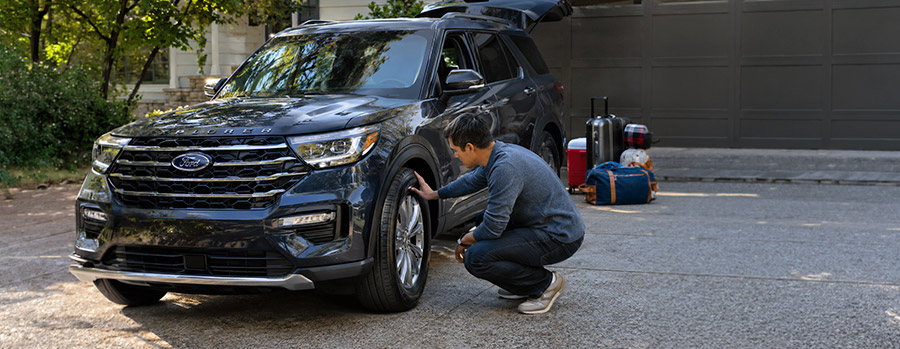
Extra weight affects braking and
tire load. Long highway stretches put steady demand on the cooling system,
transmission, and tires. Cold weather can be hard on batteries and can change
tire pressure. And with shorter daylight hours, you may spend more time driving
in the dark than you expect. None of this is cause for worry, but it is a good
reason to give your Ford some attention before you hit the road.
The
Pre-Trip Checklist: 10 Things to look at Before You Go
Some of these
items can be checked on your own if you know how to. Others are best left to a
trained technician who has the right tools and can spot wear that isn’t obvious
at first look. When in doubt, have it inspected.
1.
Tires: Tread, Pressure, and Condition
Your tires are
the only part of your vehicle that touches the road, so they deserve the first
place on this list. Tire pressure should match the numbers on the label inside
the driver’s door jamb, and not the maximum number printed on the tire
sidewall. Cold air lowers tire pressure, so it’s common for a tire pressure
monitoring light to come on during the first chilly mornings of the season.
Take a look at
the tread as well. Many tires have built-in tread-wear indicator bars, and
uneven wear can be a sign that an alignment or rotation is due. Look for
bulges, cracks, or objects stuck in the tread. If you rely on a spare, make
sure it’s inflated and that the jack and tools are where they should be.
2.
Battery and Charging System
Cold
temperatures can make it harder for a battery to start your engine, and a
battery that has been getting weaker over time often shows it first on a frosty
morning. Slow cranking, dim lights at startup, or a battery warning light are
all signals worth paying attention to. A professional battery and
charging-system test can give you a clearer picture of its condition, and it
only takes a few minutes during a service visit. For safety, we recommend
leaving battery testing and replacement to a technician.
3.
Brakes
Holiday traffic
on I-81, I-83, and the Turnpike often means long stretches of cruising followed
by sudden slowdowns. A fully loaded vehicle also needs more stopping effort. If
you’ve noticed squealing, grinding, a soft or spongy pedal, vibration when braking,
or a pull to one side, have your brakes inspected before your trip. These are
not things to diagnose on your own; a technician can measure pad and rotor wear
and check the brake fluid.
4.
Engine Oil and Filter
If you are
close to your next scheduled oil change, it often makes sense to take care of
it before a long drive rather than during or after. Your Ford’s owner’s manual
and the vehicle’s Intelligent Oil-Life Monitor on equipped models are the best
guides for timing. A service visit is also a convenient time for a technician
to look for leaks and check the condition of belts and hoses.
5.
Other Fluids
Beyond oil,
your Ford relies on coolant, brake fluid, transmission fluid, and power
steering fluid on models that use it. Low or old fluids can affect performance
and comfort over long distances. Windshield washer fluid is easy to overlook,
but in a Pennsylvania winter it matters - road spray and salt residue can coat
your windshield quickly. Choose a washer fluid rated for freezing temperatures.
6.
Wipers and Visibility
Wiper blades
that streak, chatter, or leave unwiped patches make winter driving harder,
especially at night or in light snow. Many drivers replace blades before winter
as a matter of routine. While you’re at it, make sure your defroster and
rear-window defogger are working, and clear the inside of the windshield for
better visibility in low sun and headlight glare.
7.
Lights
With darkness
arriving early in December, you may be driving after sunset on at least part of
your trip. Walk around your vehicle and check headlights, high beams, brake
lights, turn signals, reverse lights, and hazard lights. Hazy or yellowed
headlight lenses can reduce how well you see the road ahead. Our service team
can look at options to restore clarity.
8.
Heating and Climate Control
A long drive in
cold weather is a lot less pleasant without reliable heat. If your heater takes
longer than usual to warm up, blows cool air, or you notice a sweet smell
inside the cabin, mention it at your next appointment. A clogged cabin air
filter can also reduce airflow and let more road dust and odors into the cabin.
9.
Warning Lights and Software Updates
Don’t start a
long trip with a warning light on the dashboard. A check engine, tire pressure,
battery, or brake light is your vehicle’s way of asking for attention. Many
newer Ford vehicles also receive software updates, and some features may depend
on them. If you have questions about your vehicle’s updates or open service
notices, our service advisors can check by VIN when you visit.
10.
Loading and Towing
If you’re
carrying gifts, luggage, or a rooftop carrier, or towing a trailer to a family
gathering, check your owner’s manual for your vehicle’s payload and towing
ratings and stay within them. Distribute weight evenly, secure loose items in
the cabin, and make sure cargo doesn’t block your view out the rear window.
Trailer owners should check trailer lights, tires, and hitch connections before
leaving.
Build
a Simple Winter Travel Kit
Central PA weather can change quickly, and a stretch of highway can slow to a crawl during a snow squall or a traffic incident. Keeping a few basics in the vehicle can make an unexpected delay much easier to manage:
- Warm blankets, gloves, and hats for every passenger
- Bottled water and non-perishable snacks
- A flashlight with spare batteries
- A phone charger or portable power bank
- An ice scraper and snow brush
- A basic first-aid kit
- Reflective warning triangles or flares
- A small bag of sand or cat litter for traction
- Any medications your family may need during a delay
Keep your fuel tank at least half full during winter travel. It gives you a buffer if you’re stuck in traffic and helps you avoid hunting for a gas station late at night.
Planning
Your Route Around Central PA Traffic and Weather
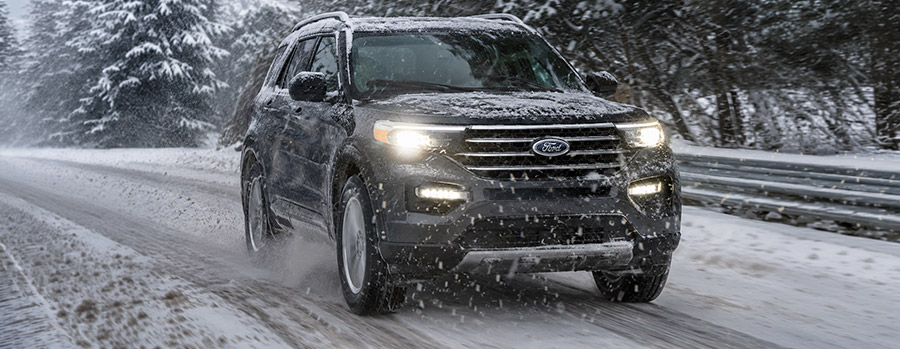
The Harrisburg area sits at the crossroads of some of the busiest highways in the state. I-81 carries heavy truck traffic, the Turnpike sees large holiday volumes, and the bridges across the Susquehanna can back up quickly during peak hours. A few planning habits can help:
- Travel outside peak times. Many drivers find that leaving early in the morning or later in the evening avoids the worst congestion around the days before and after major holidays.
- Check conditions before you go. Before you leave, check current road and weather conditions. PennDOT’s 511PA service provides traffic and road condition information for Pennsylvania highways.
- Plan rest stops. On a long drive, stop every couple of hours to stretch, rest, and swap drivers if you can. Fatigue is a real concern, especially on dark winter evenings.
- Let someone know your plans. Share your route and expected arrival time with someone at your destination.
- Adjust for winter roads. Allow extra following distance on cold mornings, on bridges and overpasses, and anywhere conditions look slick. Slow down and give snowplows and salt trucks plenty of room.
Your Printable Quick Checklist
Save or print this list and run through it a few days before your trip:
§
Tire pressure set to door-jamb specification;
tread and spare checked
§
Battery and charging system tested
§
Brakes inspected if you’ve noticed noises or
changes in feel
§
Oil change up-to-date per owner’s manual or
oil-life monitor
§
Coolant, brake, and transmission fluids checked
§
Winter-rated washer fluid topped off
§
Wiper blades, defroster, and rear defogger
working
§
All exterior lights working
§
Heater and cabin air filter checked
§
No dashboard warning lights on
§
Cargo and towing within owner’s manual ratings
§
Winter travel kit packed
§
Route and weather checked; fuel tank, or at
least half full
Why
Book a Pre-Trip Inspection at L.B. Smith Ford
Running through
a checklist at home is a great start, but some issues aren’t visible from the
driveway. A pre-trip multi-point inspection gives a technician the chance to
look at your tires, brakes, battery, fluids, belts, hoses, lights, and more,
then explain what they found in plain language. You decide what to take care of
now and what can wait.
Our service
department in Lemoyne works on Ford cars, trucks, SUVs, and EVs every day, and
we’re conveniently located for drivers across the West Shore, Harrisburg, Camp
Hill, Mechanicsburg, New Cumberland, and the surrounding communities. Since
pre-holiday schedules fill up fast, we recommend booking your appointment a
week or two before you plan to travel.
Frequently
Asked Questions
How
far ahead of my trip should I schedule service?
Ideally, one to
two weeks before you leave. That leaves time to handle any recommended repairs
or order parts if needed without rushing right before departure.
Is
a pre-trip inspection necessary if my Ford is new?
Newer vehicles
still benefit from basic checks like tire pressure, fluid levels, and wiper
condition, especially before a long winter drive. Follow the maintenance
schedule in your owner’s manual, and ask our service team if you have
questions.
Does
cold weather really affect tire pressure?
Yes. Tire
pressure tends to drop as temperatures fall, which is why tire pressure warning
lights often come on during the first cold snaps of the season. Check pressure
when the tires are cold, before driving.
Get
Ready for the Road This Holiday Season
The best
holiday memories are made at the destination, not on the side of the highway. A
little preparation now can help your Ford carry your family safely and
comfortably to every gathering this season. Schedule your pre-trip inspection
with the service team at L.B. Smith Ford online or by phone, and head into the
holidays with peace of mind.
Schedule
Service Online | Call: 717-550-0955 or Click Here.
This article is for general informational purposes only. Always refer to your vehicle’s owner’s manual for maintenance schedules and specifications, and consult a qualified technician about your specific vehicle.